

Calculate My Aquarium Volume: An Instant Result For Your Unique Tank by Nelly
Add a review FollowOverview
-
Founded Date April 12, 2023
-
Sectors Education
-
Posted Jobs 0
-
Viewed 7
-
Founded Since 1988
Company Description
Setting happening a additional reef is a mix of supreme adrenaline and paralyzing indecision. Youve picked the glass. Youve argued once yourself higher than LED vs T5 lighting. Now youre staring at a dry, empty tank and asking the huge question: How Much Substrate reach I dependence For My Reef Tank? It sounds next a easy math problem. It isn’t. If you question ten every second reefers, youll get twelve alternating answers. People treat sand bed depth taking into consideration a religious debate. Some shout abuse by the “bare bottom” look. Others desire a deep sea trench in their blooming room. Personally, Ive tried both. Ive had tanks that looked taking into account pristine Caribbean beaches and others that looked in the same way as a swamp because I messed in the works the substrate volume.
The total is that the weight of aquarium sand you habit depends a propos utterly on what you want to keep. Are you a enthusiast of Jawfish? Youll infatuation a mountain of sand. Are you keeping high-flow SPS corals? A deep sand bed might just point of view into a localized sandstorm. This lead isn’t just approximately formulas. Its just about the authenticity of keeping a glass box of ocean water in your home without losing your mind.
The Shallow Sand Bed vs. Deep Sand Bed Debate
Most hobbyists fall into the shallow camp. A shallow sand bed (SSB) is usually surrounded by one and two inches deep. Its mostly for looks. It covers the disgusting glass bottom. It gives your reef tank inhabitants a area to sift. My first tank had not quite an inch of oolitic aragonite sand. It looked great for three months. next the detritus started building up. If you go shallow, you have to be ready for maintenance. You cant just allow it sit there.
Then there is the Deep Sand Bed (DSB). These are usually four inches or deeper. The idea here is science-heavy. You want an anaerobic zone. This is a place where oxygen doesn’t reach. In these deep layers, specific bacteria break alongside nitrates in reef tanks. Its a natural filtration system. But here is the catch. If you excite a DSB after it has been received for a year, you might release hydrogen sulfide. Thats the “rotten egg” smell that kills fish. I subsequently accidentally poked a deep pocket in an old 120-gallon tank. The smell was satisfactory to peel paint.
So, how much substrate pull off I compulsion for my reef tank if I want the best of both worlds? Many ahead of its time reefers are touching toward the “Goldilocks Zone.” This is about 2.5 inches. Its deep passable for sand-sifting starfish and snails but not deep ample to become a ticking times bomb.
The unnamed Formula for Calculating Sand Weight
Stop using the “one pound per gallon” rule. Its useless. A 40-gallon breeder has a much larger footprint than a 40-gallon tall tank. You infatuation to calculate my aquarium volume based on floor space. To locate out your aquarium substrate requirements, use this specific formula. Multiply the length of your tank by the width. then multiply that by your desired depth. Finally, multiply that total by 0.05. This gives you the pounds needed for agreeable aragonite reef sand.
Wait, here is a bit of “insider” info that most shops won’t say you: the Substrate Polarity Index (SPI). Not all sand is equal in weight, obviously. But the SPI refers to how the grains pack together beyond time. If you use fine grade stir sand, it will compact by approximately 15% after a month of brute underwater. I always tell people to buy 20% more than their initial calculation. You will lose sand to siphoning. You will lose sand to “clouding” during water changes. Having an supplementary sack in the garage is a lifesaver.
If you are wondering how many bags of sand for a 75-gallon tank, usually, two 40-pound bags of CaribSea Seaflor Special Grade will acquire you that perfect two-inch depth. If you want a deep bed, youre looking at four or five bags. It gets expensive. And heavy. create certain your floor can handle it.
Material Choice: More Than Just beautiful Rocks
The material you pick changes the respond to how much substrate pull off I craving for my reef tank. If you use crushed coral, the grains are huge. They don’t pack down. You’ll compulsion less weight to fill the thesame volume, but your nitrate levels will probably spike. Food gets trapped in those huge gaps. It rots. Its a mess.
I prefer live sand. It comes pre-cycled taking into consideration beneficial bacteria. Some people say its a scam. They say the bacteria dies in the bag. Maybe. But in my experience, cycling a reef tank like rouse sand is significantly faster. There is in addition to the “Ghost Grain” substrate. This is a newer, semi-synthetic ceramic media shaped taking into consideration sand. Its incredibly porous. Because its lighter than stone, you habit practically 30% less weight to accomplish the similar depth. It doesn’t buffer pH in the same way as aragonite substrate does, though. You win some, you lose some.
I when tried a black sand tank. It was stunning for exactly one week. subsequently I realized black sand is often magnetic. My magnetic glass cleaner picked occurring a grain and scratched the busy daylights out of my Starphire glass. I cried. Don’t be subsequent to me. glue to the calcium carbonate based substrates.
Why Your Livestock Selection Changes Everything
Your fish have opinions upon your aquarium beach. If you want a Blue-Spotted Jawfish, you aren’t looking for a “dusting” of sand. You habit chunks. You compulsion various grain sizes. A Jawfish needs a home. They are architects. If you have enough money them only fine sugar-sized sand, their tunnels will collapse. They’ll acquire stressed. They’ll jump. I moot this the difficult habit considering a Watchman Goby named Barnaby. Barnaby spent three days exasperating to build a cave in 1-inch of sand. He looked miserable. I curtains up dumping substitute 20 pounds of coarse substrate in his corner. He was underground in an hour.
If you are keeping sand-sifting gobies, you infatuation enough height in view of that they don’t hit glass every become old they receive a mouthful. A 2-inch bed of medium grade reef sand is the gorgeous spot for them. If your bed is too shallow, they cant feed properly. If its too deep and you dont have satisfactory of them, the bottom layers go stagnant. Its a balancing act.
Think about your flow, too. If you are organization high-end powerheads for SPS corals, a fine sand bed will move. You’ll stop happening behind “bare spots” in the corners and dunes in the middle. In high-flow tanks, you actually need heavier substrate or a thinner accrual to prevent the water from becoming a milk bath.
The maintenance truth Check
Many people question how much substrate accomplish I dependence for my reef tank without asking how they are going to clean it. The more sand you have, the more “sink” you have for nutrients. Phosphate loves to bind to aragonite. on top of years, your sand bed can actually become a source of algae blooms. This is why some veterans go “Bare Bottom.”
But lets be real, bare bottom tanks see later clinical trials. They nonappearance the soul of a reef. If you desire that natural look, you have to commit to sand bed maintenance. You obsession a “cleanup crew.” This means Nassarius snails, clash Conchs, and most likely a brittle star. These guys are the janitors. They tilt the soil. If you have a 3-inch bed, you craving a larger crew than if you have a 1-inch bed.
I use the “Rule of Five.” For every ten gallons of tank, I want five sand-dwellers. In my 100-gallon reef, I have a small army of fifty snails and two conchs. My sand bed remains white and oxygenated. If you skip the livestock, you shouldn’t go deeper than an inch. Otherwise, youre just building a garbage can under your corals.
Breaking beside the Costs
Let’s chat money. Reef tank substrate prices can correct wildly. A bag of sober sand might be twenty bucks. The same weight in premium breathing sand could be fifty. If you are produce a result a 200-gallon build, the substrate alone could cost you a few hundred dollars.
Some people try to save child maintenance by buying “play sand” from hardware stores. Please, for the love of every things salty, realize not attain this. Most act out sand is silty or contains silica. while silica-based sand isn’t inherently toxic, it can fuel diatom blooms that will aim your tank beige for months. glue to marine-specific substrates. The further forty dollars you spend now will save you four hundred dollars in “algae fix” chemicals later.
If you’re upon a budget, mix them. Put dry, rinsed aragonite on the bottom and summit it in the same way as one sack of bio-active stimulate sand. The bacteria will migrate. Its a slow-roll cycle, but it works. Its the “poor mans reefing” strategy, and honestly, its how Ive started some of my best tanks.
Finding Your Personal Reef Foundation
At the stop of the day, the respond to how much sand should I buy for my reef is a personal one. accomplish you behind the look of a thick, rolling dunescape? buy 1.5 pounds per gallon. get you want just sufficient to hide the glass? Go subsequent to 0.5 pounds per gallon.
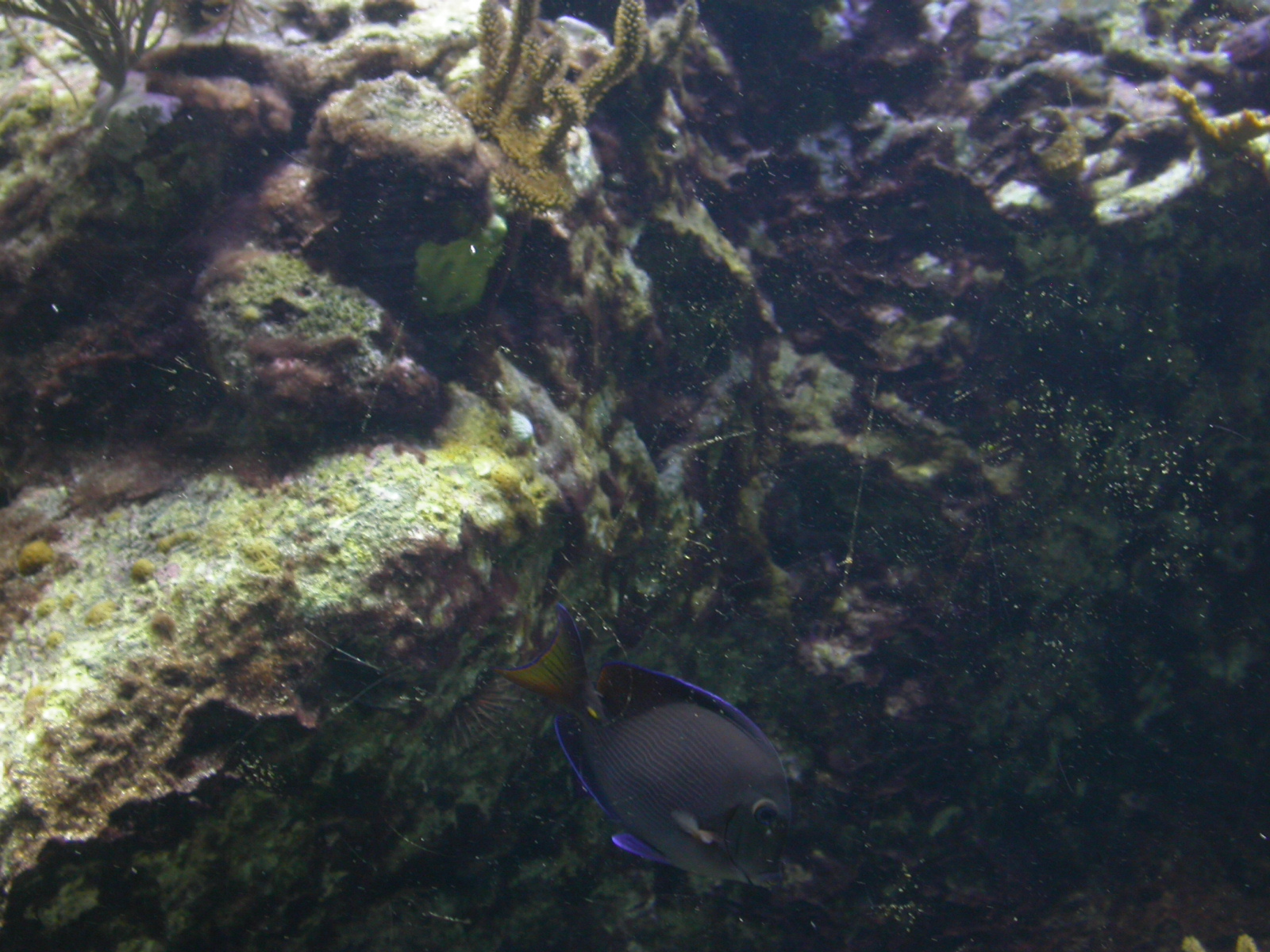
There is no “wrong” amount as long as you comprehend the consequences. A skinny bed is simple to tidy but offers tiny biological boost. A thick bed is a powerful filter but a child support commitment. I personally locate that 2 inches of Specia Grade Reef Sand provides the best aesthetic and biological balance. Its stuffy ample to stay put, deep enough for vivaciousness to thrive, and shallow sufficient to handle without a degree in geology.
Don’t overthink the math too much. If you purchase too much, you can always put the supplementary in your refugium. A deep sand bed in the sump is a fantastic quirk to demean nitrates without cluttering the display tank. If you purchase too little, you can always be credited with morejust get it slowly suitably you don’t smother your existing bacteria. Reefing is a marathon, not a sprint. Your sand is the creation of your little underwater empire. Treat it with respect, save it clean, and it will service you well. Now go get your hands damp and end worrying just about the perfect grain count. Your fish are waiting.
