

England Nhs
Add a review FollowOverview
-
Founded Date November 10, 1996
-
Sectors AHP/HSS
-
Posted Jobs 0
-
Viewed 1075
Company Description
NHS: Belonging in White Corridors
Within the bustling halls of an NHS hospital in Birmingham, a young man named James Stokes navigates his daily responsibilities with subtle confidence. His polished footwear barely make a sound as he greets colleagues—some by name, others with the universal currency of a “hello there.”

James wears his NHS lanyard not merely as an employee badge but as a symbol of acceptance. It sits against a well-maintained uniform that betrays nothing of the challenging road that brought him here.
What separates James from many of his colleagues is not immediately apparent. His bearing reveals nothing of the fact that he was among the first beneficiaries of the NHS Universal Family Programme—an initiative created purposefully for young people who have experienced life in local authority care.
“The Programme embraced me when I needed it most,” James reflects, his voice steady but tinged with emotion. His statement summarizes the core of a programme that seeks to reinvent how the vast healthcare system approaches care leavers—those frequently marginalized young people aged 16-25 who have graduated out of the care system.
The figures paint a stark picture. Care leavers commonly experience greater psychological challenges, financial instability, accommodation difficulties, and reduced scholarly attainment compared to their age-mates. Beneath these cold statistics are personal narratives of young people who have traversed a system that, despite genuine attempts, regularly misses the mark in offering the supportive foundation that forms most young lives.
The NHS Universal Family Programme, launched in January 2023 following NHS England’s promise to the Care Leaver Covenant, signifies a significant change in systemic approach. At its heart, it acknowledges that the complete state and civil society should function as a “collective parent” for those who haven’t experienced the security of a traditional family setting.
Ten pathfinder integrated care boards across England have charted the course, creating structures that rethink how the NHS—one of Europe’s largest employers—can extend opportunities to care leavers.
The Programme is detailed in its approach, starting from detailed evaluations of existing procedures, creating oversight mechanisms, and garnering leadership support. It understands that successful integration requires more than noble aims—it demands tangible actions.
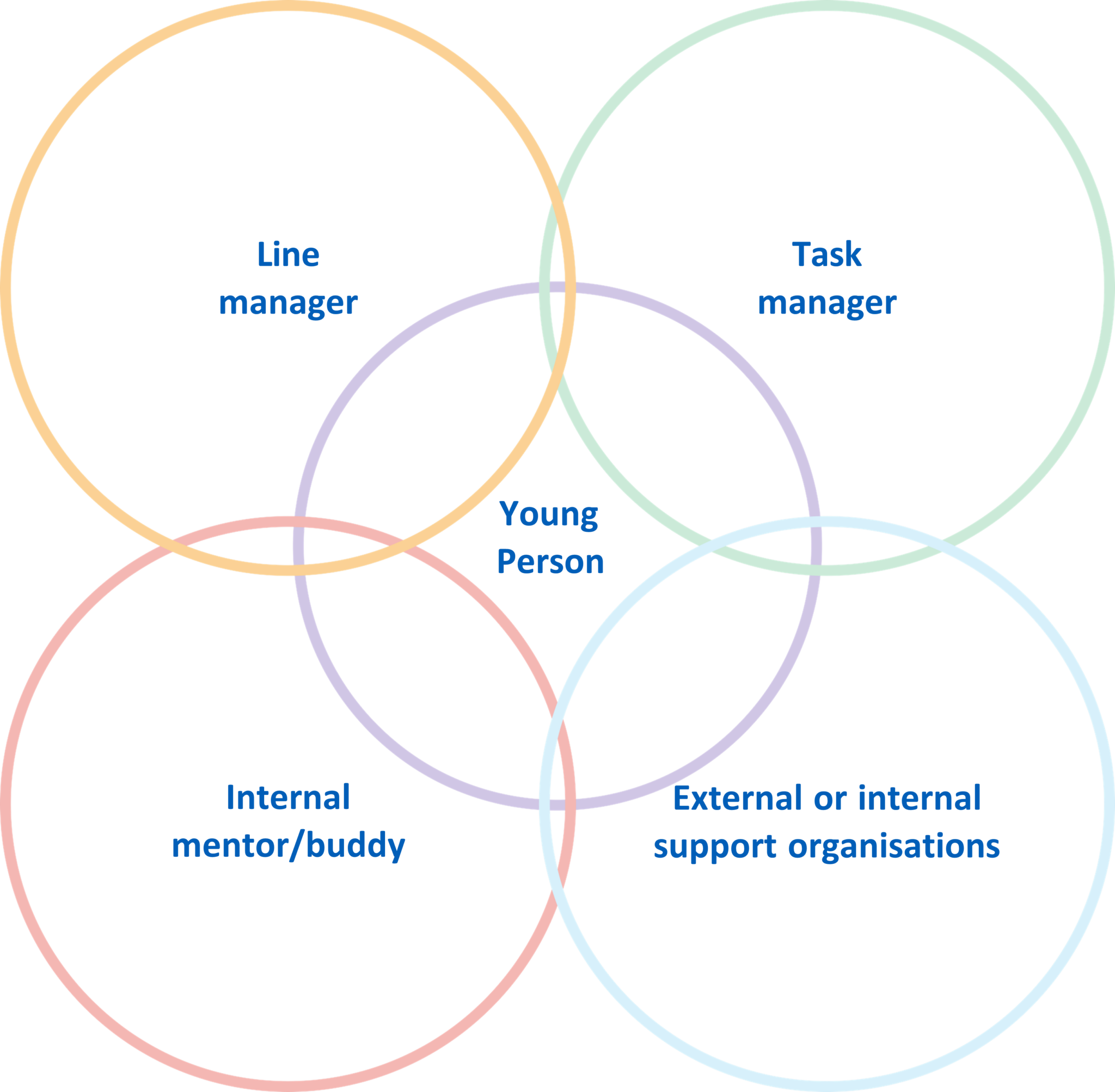
In NHS Birmingham and Solihull ICB, where James began his journey, they’ve developed a regular internal communication network with representatives who can offer assistance and counsel on wellbeing, HR matters, recruitment, and equality, diversity, and inclusion.
The traditional NHS recruitment process—formal and possibly overwhelming—has been intentionally adjusted. Job advertisements now focus on character attributes rather than long lists of credentials. Applications have been redesigned to address the unique challenges care leavers might experience—from lacking professional references to facing barriers to internet access.
Maybe most importantly, the Programme acknowledges that entering the workforce can pose particular problems for care leavers who may be navigating autonomy without the backup of family resources. Matters like commuting fees, proper ID, and banking arrangements—considered standard by many—can become significant barriers.
The elegance of the Programme lies in its attention to detail—from explaining payslip deductions to helping with commuting costs until that crucial first payday. Even apparently small matters like coffee breaks and office etiquette are deliberately addressed.
For James, whose professional path has “transformed” his life, the Programme offered more than work. It provided him a sense of belonging—that ineffable quality that grows when someone is appreciated not despite their history but because their distinct perspective enhances the workplace.
“Working for the NHS isn’t just about doctors and nurses,” James notes, his gaze showing the subtle satisfaction of someone who has discovered belonging. “It’s about a community of different jobs and roles, a team of people who really connect.”
The NHS Universal Family Programme embodies more than an job scheme. It functions as a strong assertion that institutions can change to welcome those who have navigated different paths. In doing so, they not only change personal trajectories but enrich themselves through the distinct viewpoints that care leavers provide.
As James walks the corridors, his involvement quietly demonstrates that with the right help, care leavers can succeed in environments once thought inaccessible. The support that the NHS has provided through this Programme represents not charity but appreciation of untapped potential and the profound truth that all people merit a support system that supports their growth.
