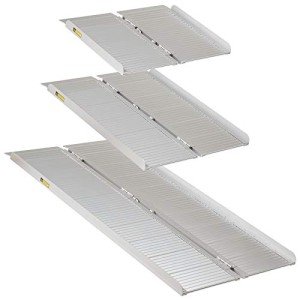
Home Wheelchair Ramps
Add a review FollowOverview
-
Founded Date February 2, 1991
-
Sectors Structural Engineering
-
Posted Jobs 0
-
Viewed 62
Company Description
See What Wheelchair Access Ramp Tricks The Celebs Are Making Use Of

Wheelchair Access Ramps: A Step Towards Inclusivity
In today’s world, accessibility has become an essential element of ensuring everybody, no matter physical capability, can browse environments easily and separately. One of the essential elements for improving ease of access is the wheelchair access ramp. This article looks into the value of wheelchair ramps, their design, policies, and supplies some regularly asked questions to help understand their significance.
The Importance of Wheelchair Access Ramps
Wheelchair ramps serve as a bridge for individuals with mobility obstacles, enabling them to access structures, walkways, public transport, and different locations without physical barriers. Here are some essential reasons wheelchair access ramps are important:
- Promote Inclusivity: Ramps enable individuals with impairments to get involved completely in social activities.
- Compliance with Regulations: Many nations have laws that need public buildings and spaces to be accessible.
- Improved Safety: Ramps reduce the threat of accidents that might happen when browsing stairs or uneven surfaces.
- Enhanced Mobility: They provide practical access for individuals using wheelchairs, walkers, or other assistive devices.
Design Considerations for Wheelchair Ramps
When developing a wheelchair ramp, various aspects need to be considered to guarantee effectiveness and safety. Below are some essential design elements:
| Design Element | Recommendation |
|---|---|
| Slope Ratio | An optimum slope of 1:12 (4.76 degrees) is recommended for availability. |
| Width | A minimum of 36 inches wide for standard wheelchair access. |
| Surface Material | Non-slip materials need to be used to prevent accidents, even in damp conditions. |
| Landings | Flat landings at the top and bottom of ramps should be at least 60 inches long. |
| Curbs | 2- to 4-inch curbs can help prevent wheelchairs from rolling off the sides of the ramp. |
| Handrails | Handrails ought to be positioned at 34 to 38 inches in height on both sides of the ramp. |
Laws and Standards
In the United States, the Americans with Disabilities Act (ADA) sets clear standards for wheelchair ramps to make sure public availability. Similar guidelines exist in other nations also. Here are some crucial guidelines from the ADA relating to wheelchair ramps:
- Slope: A ramp should have an optimum rise of 30 inches for each 1 foot of ramp run.
- Width: Ramps should be at least 36 inches large, although they can be larger for much better ease of access in high-traffic areas.
- Landings: Must be flat and a minimum of 60 inches in length for both the top and bottom of the ramp.
- Surface areas: The surface area ought to be steady, company, and slip-resistant.
- Handrails: Ramps that are more than 6 inches high should include handrails.
Types of Wheelchair Ramps
There are various types of wheelchair ramps customized for particular needs and environments. Here are some typical types:
-
Permanent Ramps: These are constructed from materials such as concrete, wood, or metal and are developed for long-lasting use. They are frequently used in public structures and homes.
-
Portable Ramps: Lightweight and simple to transport, portable ramps can be borrowed and are perfect for people who need a ramp for short durations.
-
Folding Ramps: These ramps fold in the middle, making them easy to shop and transport. They are best for those who need access to numerous places.
-
Limit Ramps: Used mostly for entrances, these ramps help get rid of small vertical barriers. They are vital for homes and buildings where door limits present a challenge.
-
Modular Ramps: Made from premade areas that can be assembled on-site, modular ramps can be tailored for particular building requirements and can work in numerous settings.
FAQ About Wheelchair Access Ramps
1. Who is accountable for setting up wheelchair ramps?
The duty for setting up wheelchair ramps can vary. In public spaces, it is generally the responsibility of building owners or municipalities to abide by availability policies. In domestic spaces, homeowners are responsible for installation.
2. Are there financial support programs for installing ramps?
Yes, there are numerous support programs, consisting of government financing and non-profit organizations, that help people manage wheelchair ramp setups. It’s worth looking into regional options.
3. How do I keep a wheelchair ramp?
Regularly inspect the ramp for cracks, extending nails, or loose surface areas. Keeping it tidy and devoid of particles or snow throughout winter season is important for guaranteeing safety.
4. Will a wheelchair ramp impact property worth?
While setting up a wheelchair ramp may not straight increase property value, it can make a home more enticing to buyers seeking availability choices.
5. How can I discover a qualified professional to set up a wheelchair ramp?
Start by trying to find professionals who concentrate on accessibility building. Check recommendations, evaluations, and reviews to guarantee they have experience in structure compliant ramps.
Wheelchair access ramps are essential for improving availability and promoting inclusivity for people with mobility challenges. By sticking to design standards and policies, these ramps can offer safe and easy access to structures and public areas. As society moves towards higher inclusivity, the existence of wheelchair ramps serves as a testament to our commitment to breaking down barriers and opening doors for everybody.
Whether as a little addition to a home or part of a bigger public facilities project, these ramps represent a considerable stride towards a more accessible world for all.